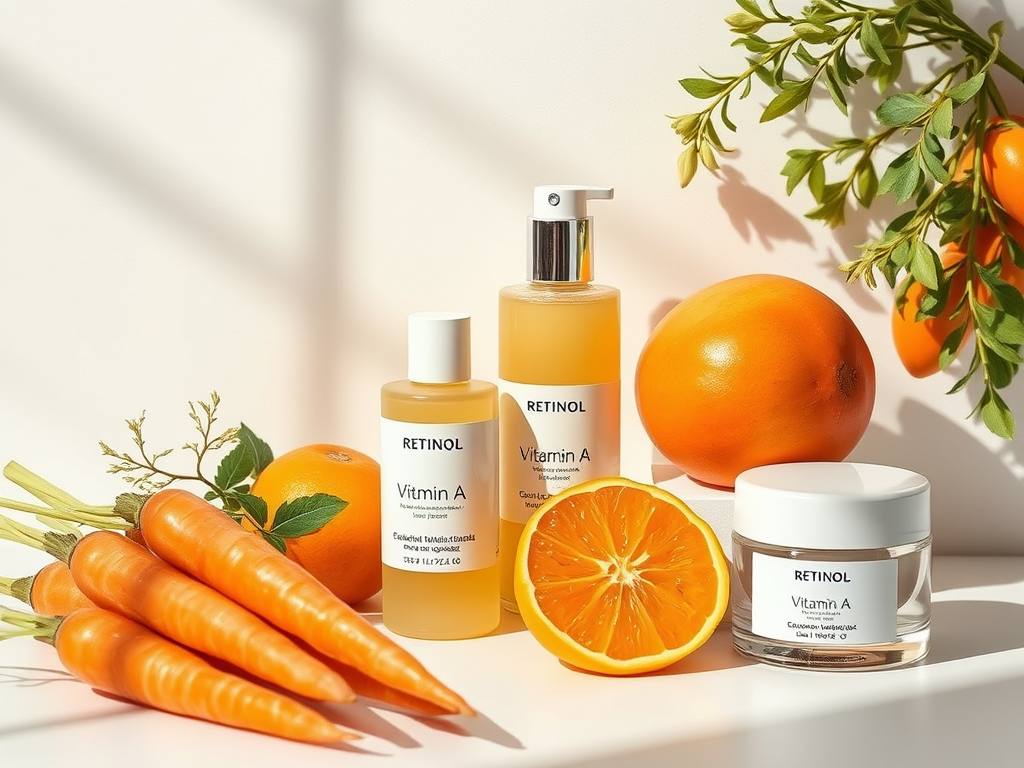
Hello everyone, and welcome back to The Selfish Column. This week, we’re kicking off our new Vitamins Series with Vitamin A and yes, this is that vitamin behind all the retinol hype.
If you’ve spent any time in the skincare world over the last few years, you’ve definitely heard of retinol. It’s everywhere. On shelves, all over social media, and in just about every “must-have” skincare routine. Retinol is a derivative of Vitamin A, and there’s a good reason it gets so much attention.
At its core, retinol helps your skin do what it naturally wants to do make new skin cells, support collagen, and keep oil production in check. That’s why it’s often recommended for both acne and aging concerns.
So how does Vitamin A actually work on the skin?
For skincare, Vitamin A shows up as retinoids, mainly retinol and retinal. Retinal is the stronger over the counter option and delivers faster results because it only needs one step to become active in the skin. Retinol is a bit gentler and takes longer since it needs to convert twice.
Both can do great things for your skin, it really comes down to what your skin can tolerate and what results you’re looking for. If you’re considering using retinal, I’d recommend speaking with a skincare specialist who can help you choose what’s best for your skin’s needs.
Let’s start with acne:
A study published in the Dermatology Online Journal looked at acne treatments in young adults and found that Vitamin A helps reduce oil production and prevents dead skin cells from building up in pores (Cook et al., 2022). In plain language? It helps stop breakouts before they even start.
Vitamin A works by keeping oil levels balanced and preventing pores from getting clogged, which is why it’s such a popular ingredient for acne-prone skin. Fun fact: the active ingredient in Accutane, a well-known acne treatment, is actually a retinoid, a strong, synthetic form of Vitamin A.
Now let’s talk aging skin:
In products made for mature skin, retinol is often the go-to ingredient for softening fine lines, smoothing wrinkles, and fading dark spots, basically all the things that show up as we age. It helps boost circulation, support collagen production, and slow down the breakdown of elastin, which keeps skin looking firmer and more youthful over time (Gerow, 2023).
While skincare products are the main focus here, it’s worth remembering that vitamins don’t only come from bottles and jars. Food is another great way to support your skin from the inside out. Vitamin A is found in orange and yellow foods like carrots, squash, and mangoes, as well as leafy greens like kale, broccoli, and spinach.
Health Line also has a great article listing 20 foods rich in Vitamin A, which is worth checking out if you’re curious. Click Here
If you’re looking for skincare products that support acne-prone or aging skin, I’ve linked a few CeraVe options below. It’s a brand I genuinely trust, they’re affordable, easy to find, and simple to work into a daily routine.
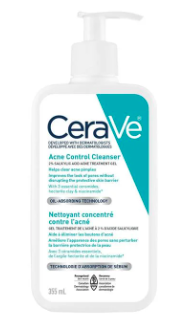
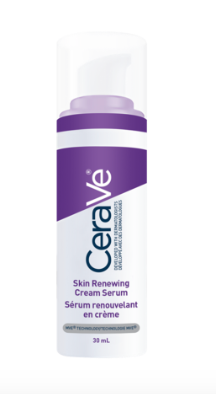
If you made it to the end, thank you so much for being here. I hope this post was helpful and easy to read. If you have questions, thoughts, or topics you’d love to see next, drop them in the comments I’d love to hear from you.
Until next time, Selfish readers
To learn more about my sources, I have shared the links below for your review.
 The Selfish Column
Very informative & easy to understand. Thanks for the knowledge on vitamin A!
-Mer
Thanks so much for stopping by and sharing your feedback. I truly appreciate the support, my love.